THE ELDEST DAUGHTER’S GUIDE TO INTERDEPENDENCE
A collection of resources to get yourself more connected, grounded and in community.
Get the breakdown in your inbox
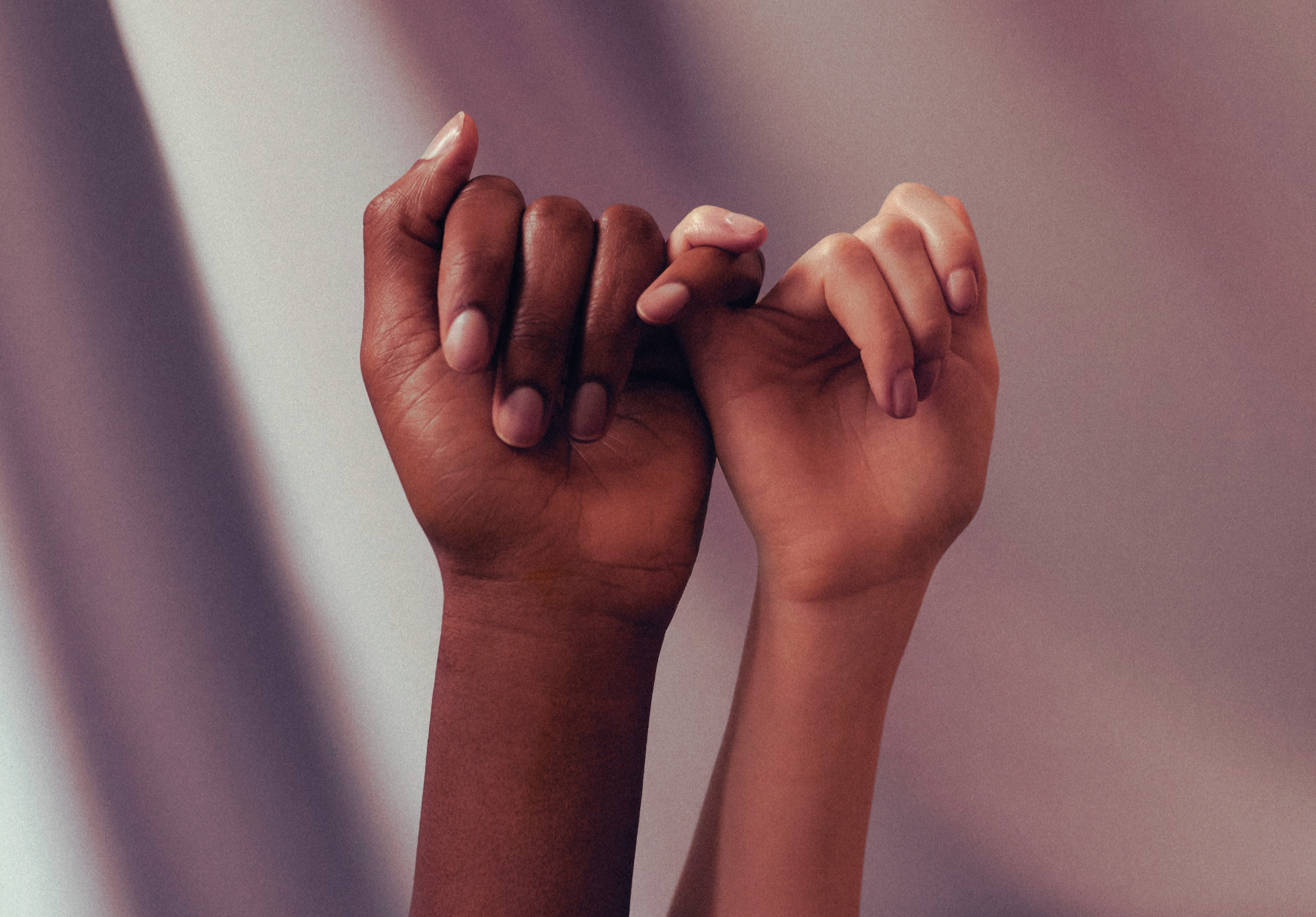

Let this be a public call to action, and a personal call in. Because I've been acting out of alignment with the future I envision, and I'm tired of doing it all alone.
Here is the map I made back to interdependence: my reminder to act in reciprocity and to trust my community, and my offering to anyone hoping to do the same.
This is written through the lens of eldest daughter syndrome, a real concept that's often oversimplified online. You don't need to be an eldest daughter to relate to it, and I hope you find meaning in these tools as you read.
This is simply a curation. I don't own anything here, but I owe everything to the people whose wisdom and work guide us home.
table of contents
What is Interdependence?
Interdependence is the manifestation of our commitment to collective care. It’s rooted in the concept that people survive and flourish through their reliance on one another. care, labor, and support move constantly between us across a lifetime. But in our white supremacist, capitalist society, interdependence is challenged by our collective commitment to rugged individualism and self-sufficiency, one that implies that needing each other is a personal failure.
The strain is visible: much of the country's caregiving falls, unpaid, on families and disproportionately on women. A 2023 U.S. Surgeon General's advisory found that about half of American adults are chronically lonely.
Iinterdependence has re-emerged as an organizing principle, seen in the growth of mutual aid networks, disability justice, and community care, where people meet one another's needs directly rather than waiting on institutions. Today it is increasingly framed less as a soft ideal than as a practical necessity for weathering economic precarity, climate disruption, and social isolation.

Interdependence moves us away from the myth of independence, and towards relationships where we are all valued and have things to offer.
Mia Mingus
Practices for Eldest Daughters
Specific ways to learn and unlearn how to be in community.
Eldest daughters are often the last to set boundaries. We may have learned that keeping the peace meant saying “yes” until saying “no” came to feel selfish. Over time, unbounded giving tends to harden quietly into resentment. Try practicing that single small “no” when you’re confronted with a problem that’s not yours to solve.
set Boundaries
ask for help
Eldest daughters are usually the ones who help and rarely the ones who ask. Many of us learned early that needing things made us a burden, so we’ve practiced doing without. asking is a skill that strengthens with use, and it is best exercised before a crisis rather than during one. To start: request one small thing from someone you trust.
Rest
Rest, for many eldest daughters, feels like something to be earned, and the sense of having earned it rarely arrives. We can be shadowed by guilt at the first sign of stillness. Rest is a basic human need and the body suffers without it before our minds realize it. An hour that belongs to no one else is a small, restorative place to begin.
understand your capacity
Some of us treat our capacity as limitless and rest as a failure of will, pushing past exhaustion and calling it responsibility. The body, however, keeps its own score, and this habit often leads to fatigue and burnout. Recognize your limits, and notice which burdens were never yours to carry.
Spot the difference
-
Codependence describes a pattern in which a person loses themselves in someone else: managing another's moods, anticipating their needs, reading a room so closely that they forget to actually be in it. It can look like devotion, but it often works as a way to stay in control, and often leads to the individual feeling as if they’ve “disappeared” in the dynamic. The psychologist Dana Crowley Jack's work on "self-silencing," the habit of muting your own needs to keep the peace, has linked it to higher rates of depression in women.
Interdependence looks different. In a more functional relationship, each individual remains distinctly themselves while building a healthy dependency. Two whole people choose to rely on each other. Desiring care does not make either partner a burden. Because boundaries stay intact, either party can say "no" and the relationship still holds.
Please note: "codependency" is not a clinical diagnosis. It does not appear in the DSM, and some clinicians caution that the label can wrongly pathologize ordinary, loving care.
-
Independence offers a flattering account of a life built entirely on one's own. In practice, no such life exists. Others grew the food on the table, taught a child her first words, and paved the roads she now travels. Even the most self-reliant existence depends on an extensive web of public goods and other people's labor, from clean water to the power grid to the teacher who stayed late.
Independence does not remove this reliance so much as obscure it, concealing who performs the underlying work. More often than not, those who perform it hold less power and receive less recognition than the person described as self-made.
-
Hyper-independence is the impulse to manage everything alone, and it frequently has tender origins. Psychologists often locate it in early attachment: when depending on caregivers proved unreliable or unsafe, a child may conclude that needing no one is the safest course. Researchers estimate that roughly one in five adults has an avoidant attachment style, the orientation most associated with prizing self-sufficiency and keeping others at a distance. From the outside it can appear to be strength; in practice it more closely resembles armor that a person has forgotten she is permitted to set down. For many eldest daughters it is a familiar default, and a likely source of their fatigue. It can, however, be relinquished gradually, beginning with a single trusted person rather than all at once.

Learn the lingo of interdependence.
KEY TERMINOLOGY



KEY TERMINOLOGY
Learn the lingo of interdependence.

founding figures
Learn more about the people stewarding this work.
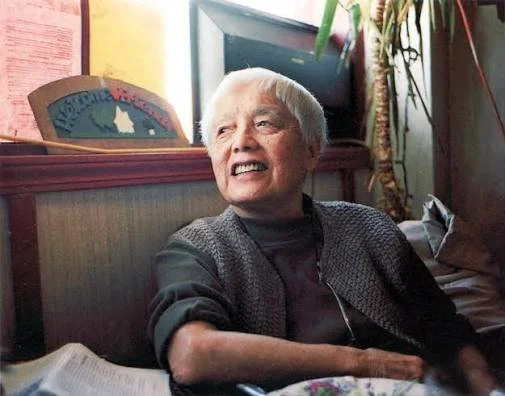
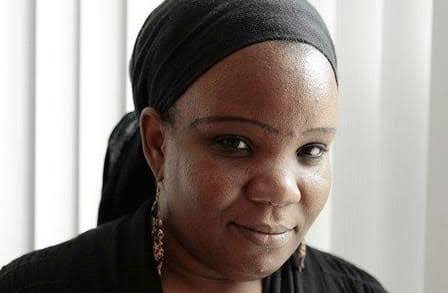


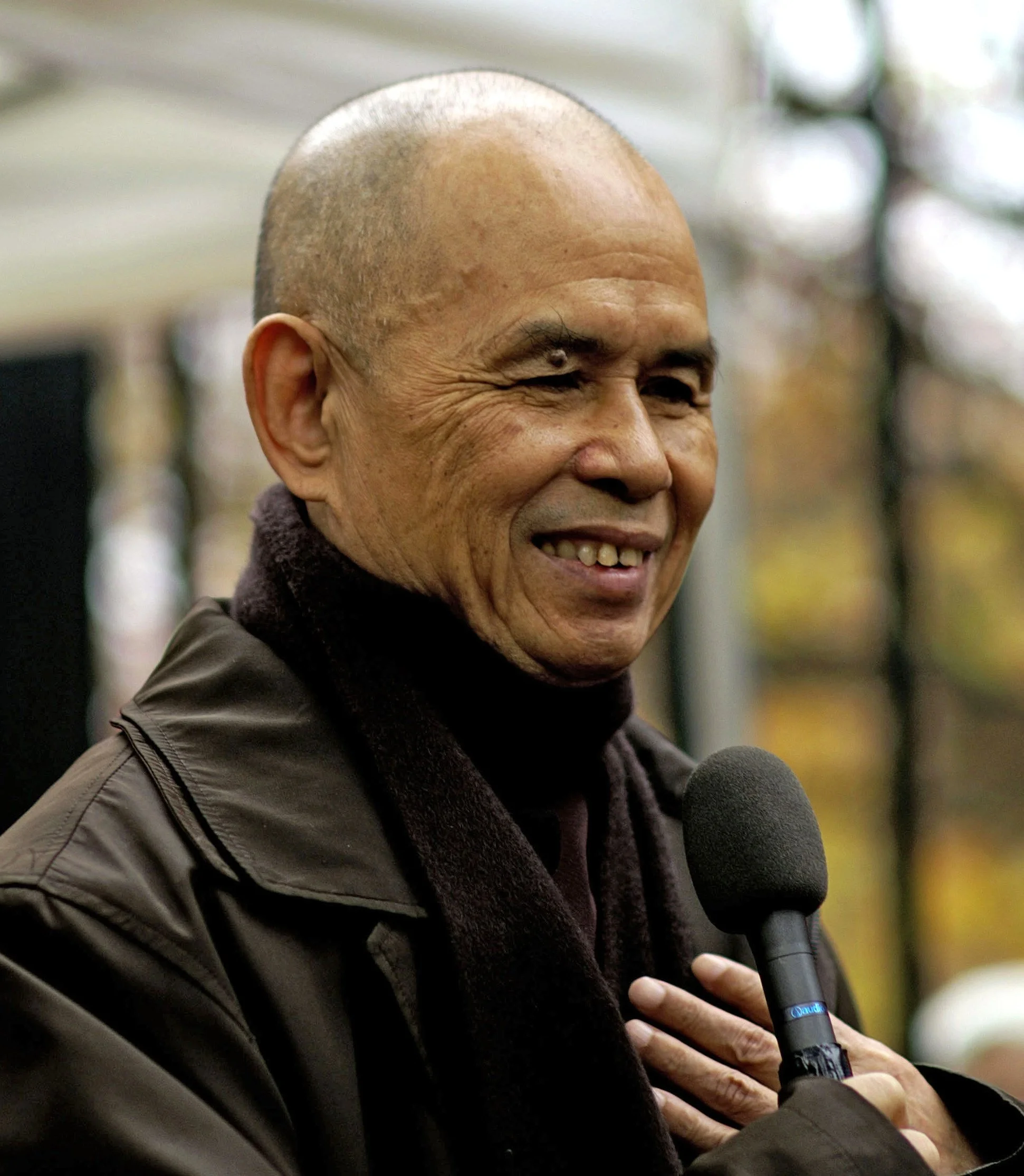
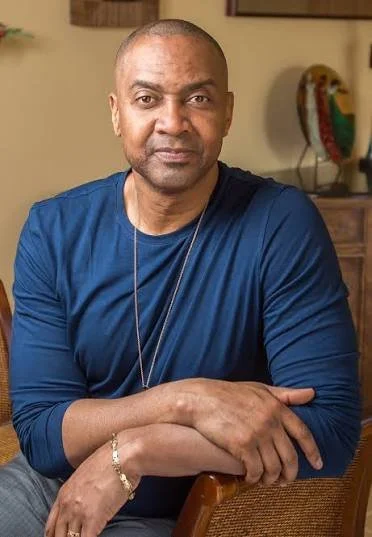


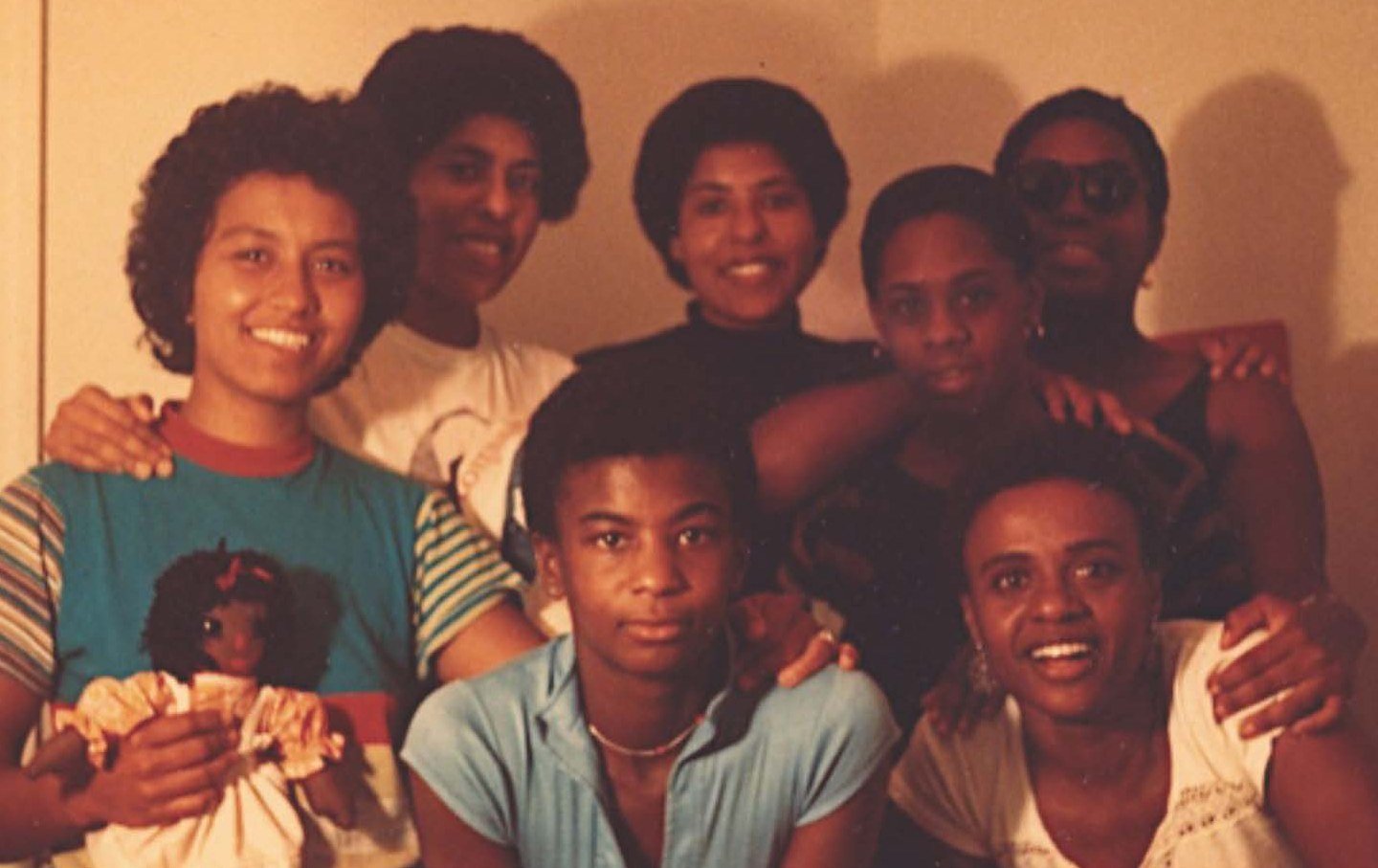
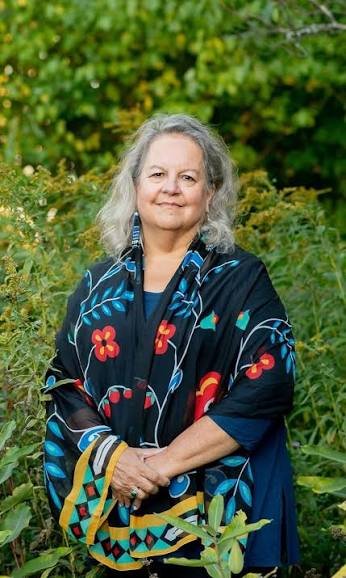
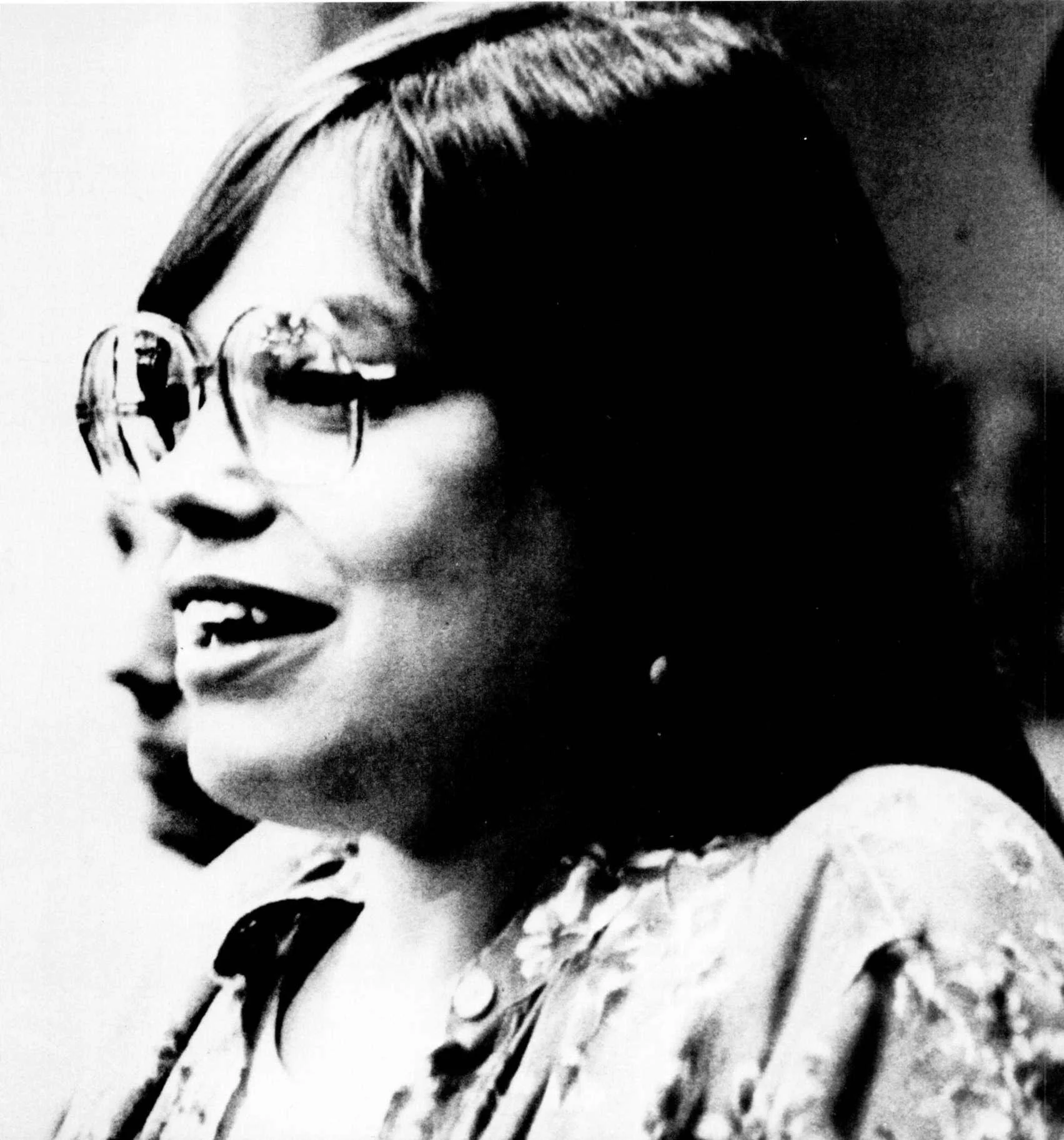
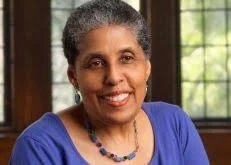
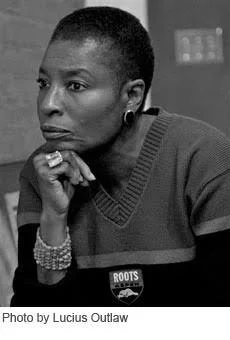
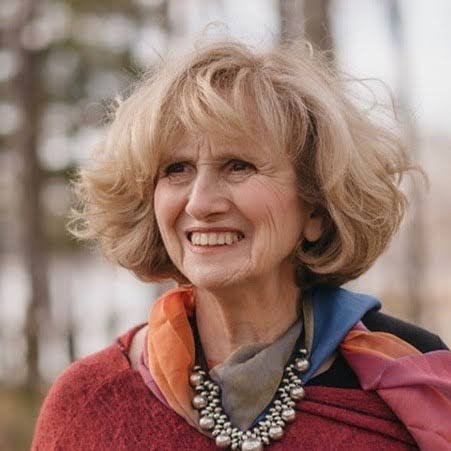



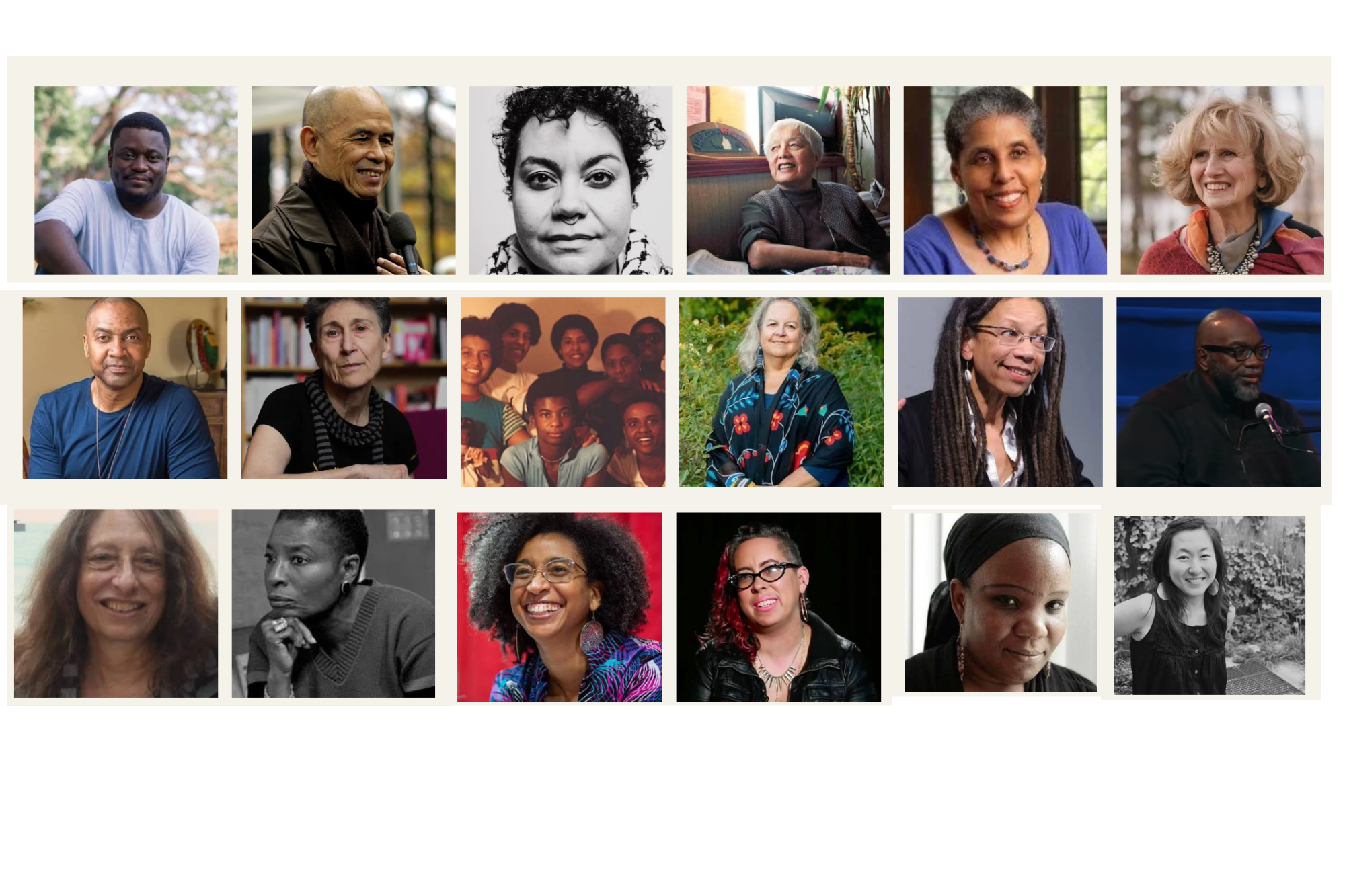
founding figures
Learn more about the people stewarding this work.
CULTURAL INFLUENCES
Philosophies and practices of care from around the globe.
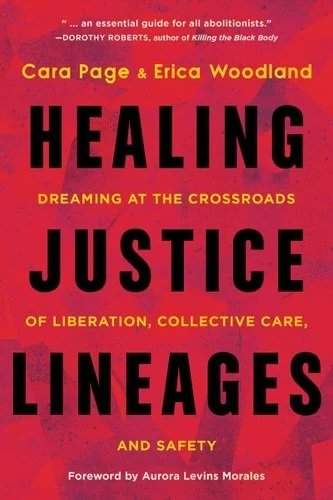
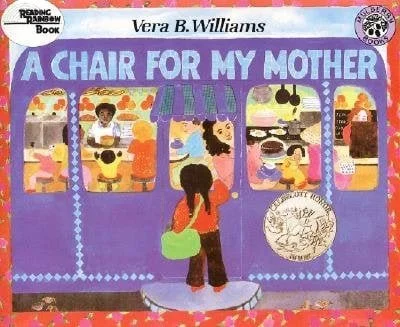
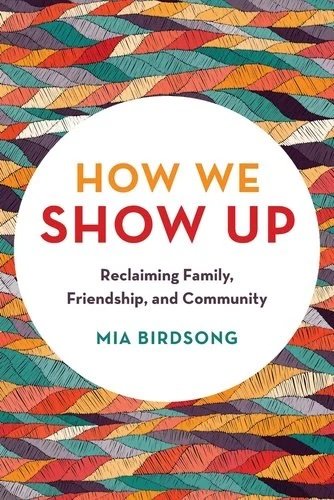

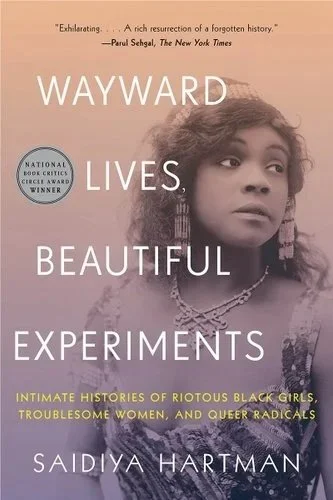
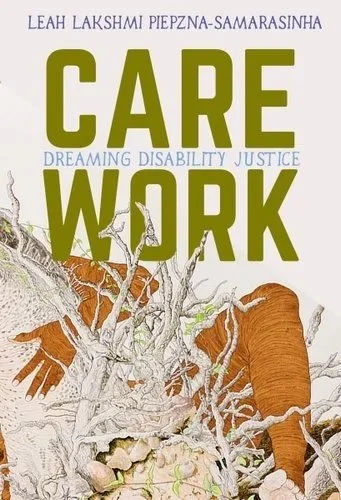
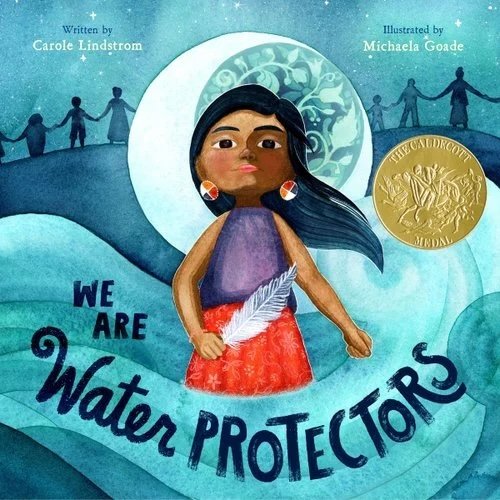
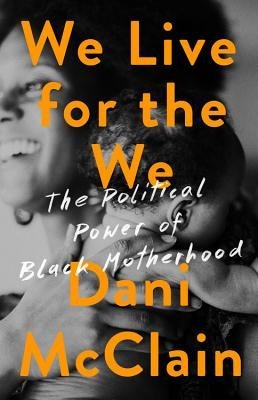
required reading
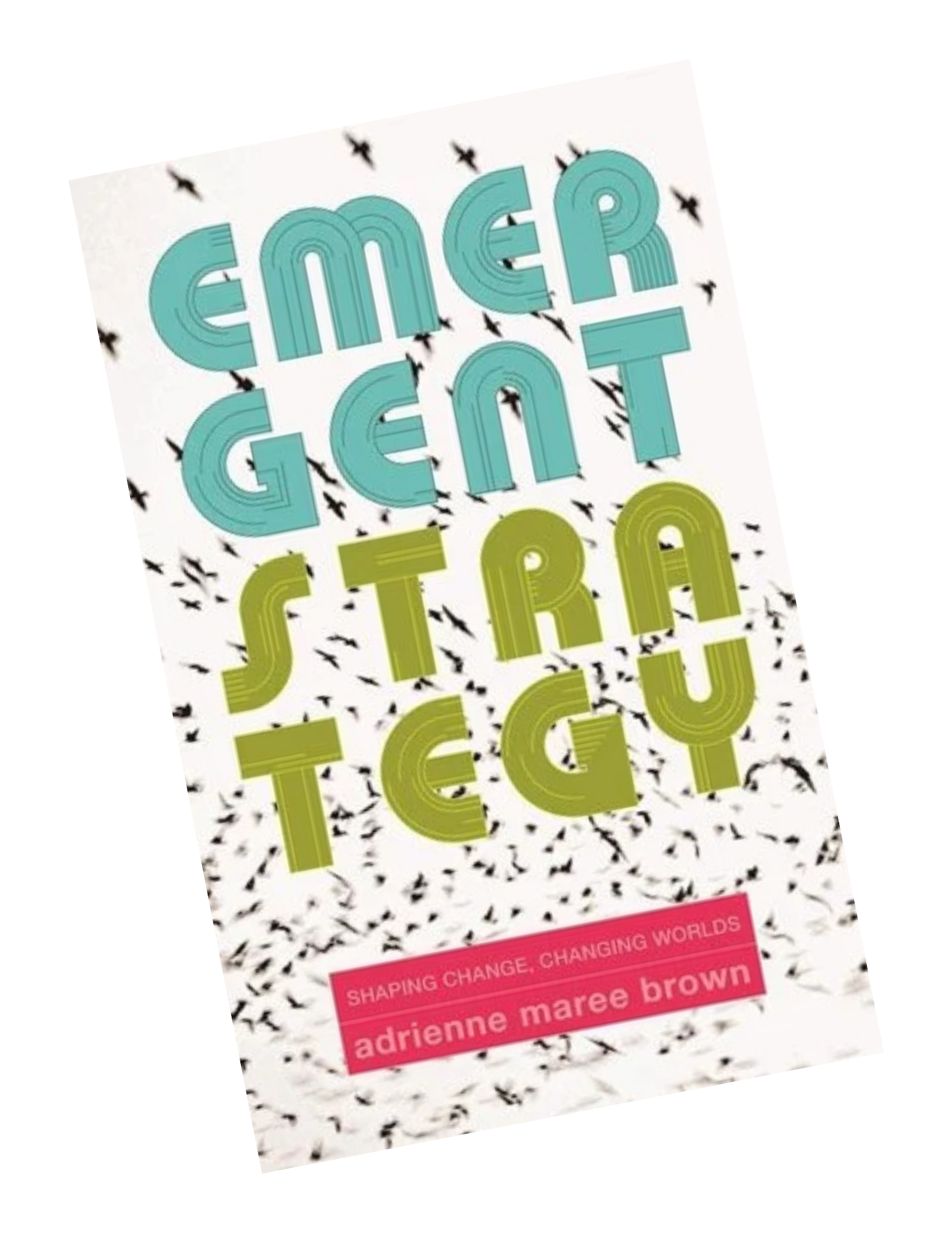
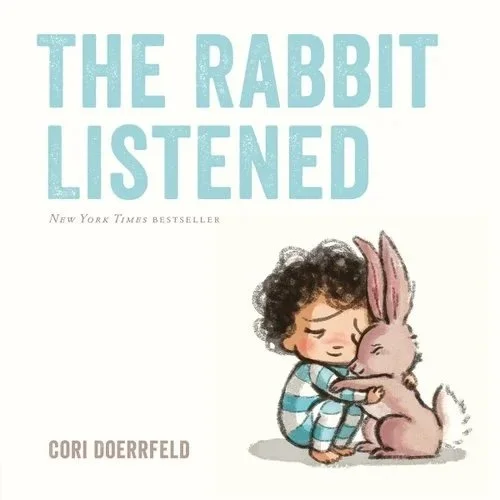
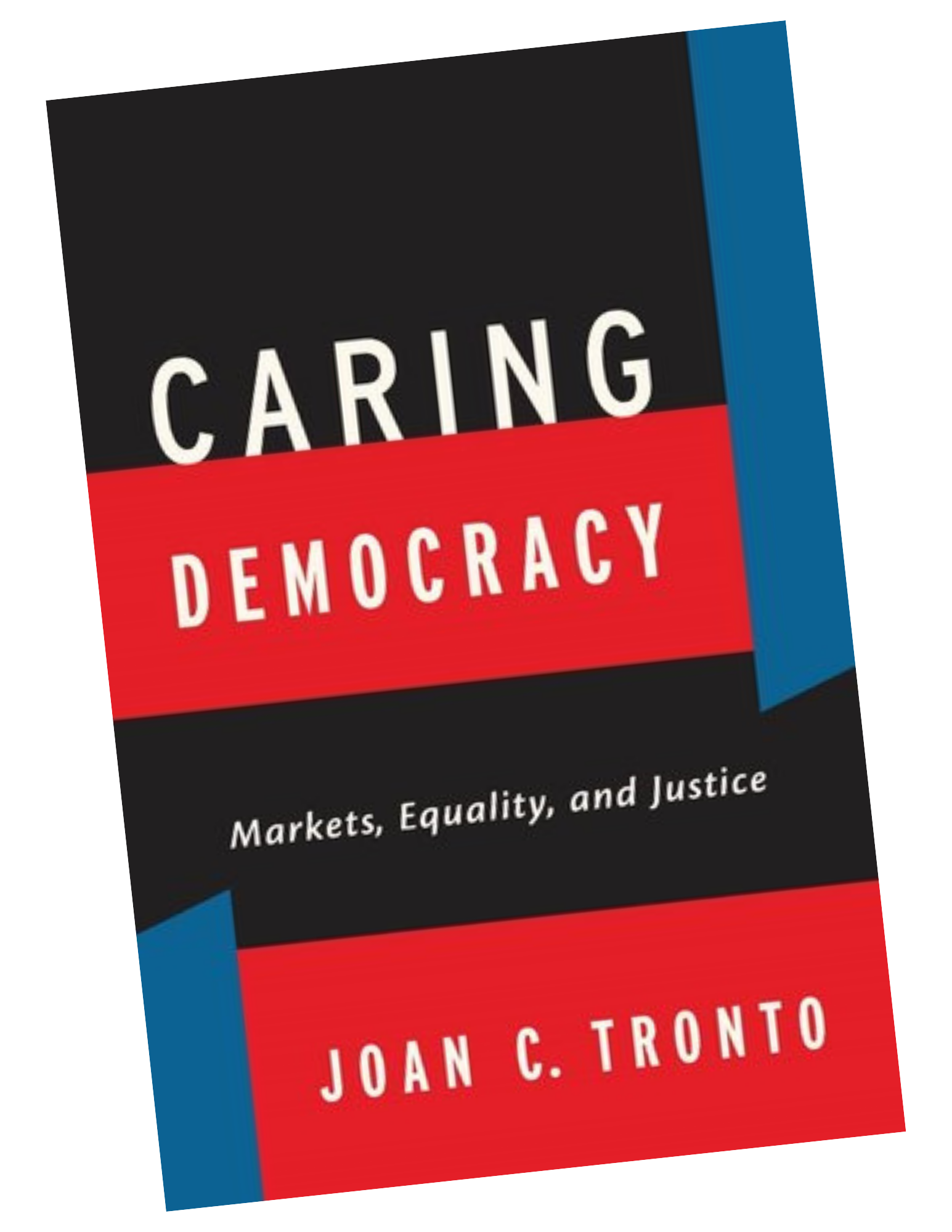
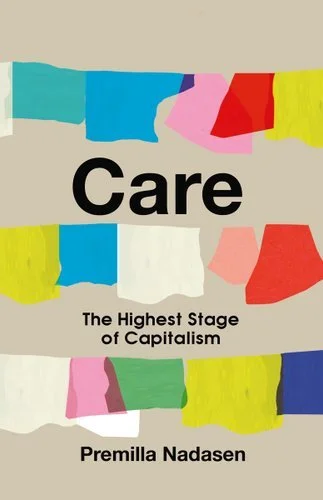
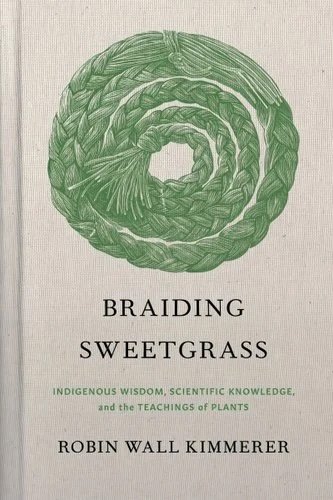
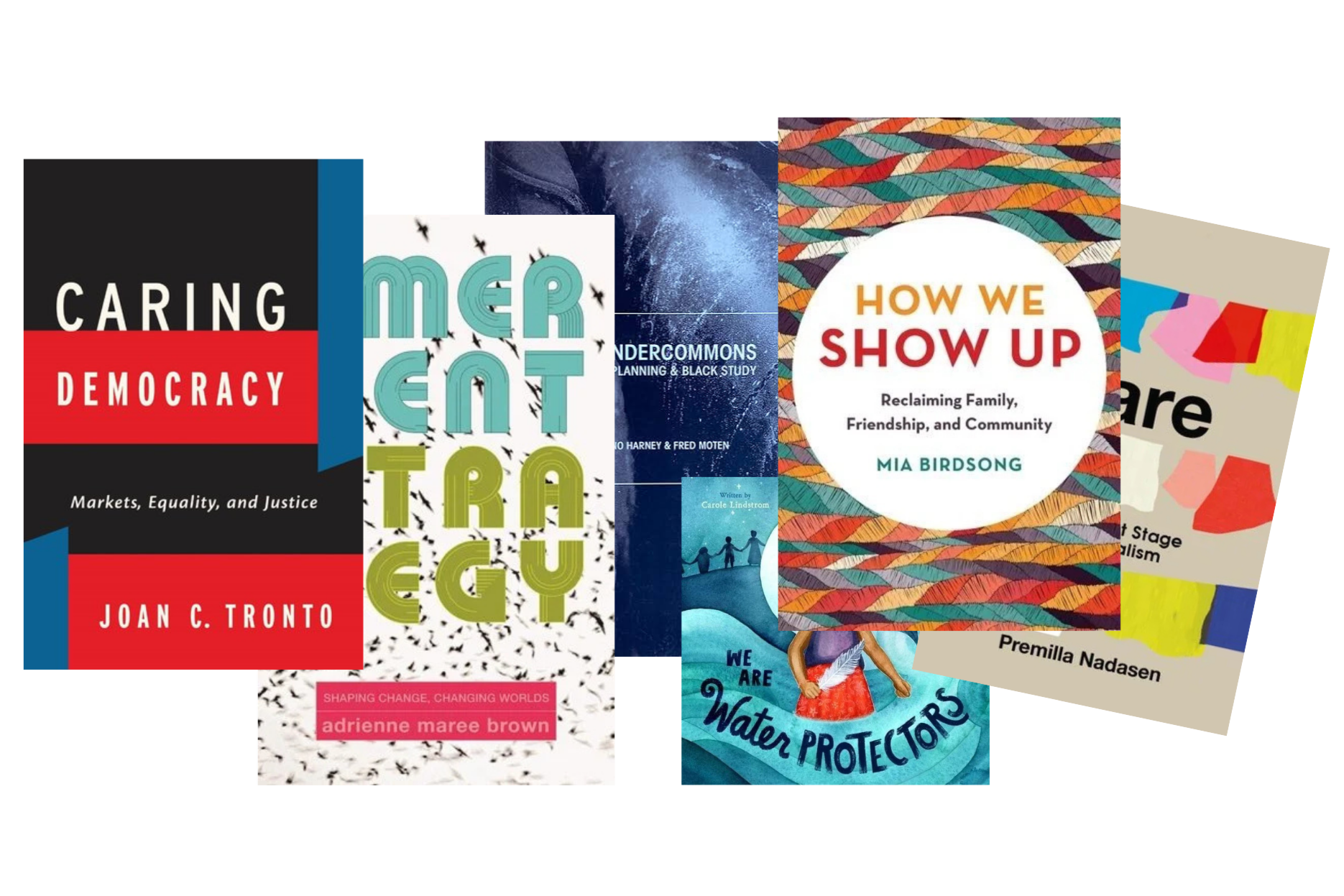
required reading
SOMATIC PRACTICES
Guided practices to feel more connected with self and others.
"We are caught in an inescapable network of mutuality, tied in a single garment of destiny." — Martin Luther King Jr
Embodying resilience | 9 mins
In this guided meditation, Prentis Hemphill leads us in a practice to turn good memories into a state of resilience.
Being Intimate with Our Experience | 30 mins
Sebene Selassie invites us to care for ourselves more deeply in this guided meditation.
Create A Rest Nest | 20mins
Join Tracee Stanley for a guided yoga nidra practice that helps soothe the nervous system.
Practicing Radical Acceptance | 5 mins
Lama Rod Owens gives a short talk on practicing radical acceptance for ourselves and others.
Giving and Receiving Compassion | 20 mins
Laila Narsi invites us to balance the flow of compassion between ourselves and others.
Metta (Loving Kindness) Meditation | 15 mins
Manoj Dias leads a practice using visualization and the repetition of certain phrases, to help you cultivate greater compassion, kindness, friendliness and connection.
Somatic Dance Practice | 10 mins
Join Tamara Nazon for a short dance break to release stress and anxiety.
"Caring for myself is not self-indulgence, it is self-preservation, and that is an act of political warfare." — Audre Lorde
"Caring for myself is not self-indulgence, it is self-preservation, and that is an act of political warfare." — Audre Lorde
PODCASTS OF NOTE
How to Survive the End of the World, with adrienne maree brown and Autumn Brown
Two sisters talk through how communities endure crisis, collapse, and change together. It is the most direct entry point to the idea that survival is collective. LEARN MORE >
Vibe Check, with Sam Sanders, Saeed Jones, and Zach Stafford
Three friends read culture and the news through a Black, queer lens, turning their group chat into a public conversation. It is a warm study in friendship as a form of ongoing care. LEARN MORE >
Finding Our Way, with Prentis Hemphill
A somatics teacher in conversation with movement leaders about embodiment, boundaries, and healing. The show treats personal transformation and collective transformation as one process. LEARN MORE >
All My Relations, with Matika Wilbur and co-hosts
A show on what it means to live in relationship, to land, to ancestors, to non-human kin, and to one another. It roots interdependence in Indigenous thought and practice. LEARN MORE >
Irresistible (formerly Healing Justice), with Kate Werning
Conversations on disability justice and collective care, each paired with a short practice you can try. It models care as something communities build rather than something individuals earn. LEARN MORE >
Groundings, with Devyn Springer
Named for Walter Rodney's idea of communal political education, it brings organizing, history, and theory into everyday dialogue. It treats learning together as its own act of solidarity. LEARN MORE >
Green Dreamer, with Kamea Chayne
Wide-ranging conversations on ecological regeneration, collective healing, and what the host calls a kinship worldview. It extends interdependence outward to the land, ecology, and the more-than-human world. LEARN MORE >
Movement Memos, with Kelly Hayes
A Truthout show on organizing, solidarity, and mutual aid in practice. Its recurring theme is that safety and healing are made together, not alone. LEARN MORE >
take action
HONOR YOUR COMMUNITY.
Mia Mingus's Pod Mapping exercise turns a vague sense of community into something concrete so you see where you’re supported and who you’re accountable for. Learn more >
FIND MUTUAL AID NEAR YOU.
You do not have to build a support system from scratch. The Mutual Aid Hub maps care networks by location, so you can join one that is already running near you. Learn more >
JOIN A GATHERING.
The Interdependence Relay is a year-long, cross-country experiment in community, fifty gatherings across fifty states, tied together by shared commitments. You can host one or simply attend. Learn more >
POOL RESOURCES
Money is often where self-reliance holds on the longest. Start small with chosen family or close friends: a shared pot, a rotating fund, or a simple way to track who covers what. Learn more >
CREATE A TIME BANK
Build stronger communities through time-based exchanges. Offer your time, get help when you need it, and make a difference without using money. Learn more >
LEARN HOW TO INTERVENE
The Creative Interventions Toolkit gives tools for taking accountability, staying on track, and having difficult conversations. Learn more >
START A MEAL TRAIN
When someone is sick, grieving, or newly postpartum, a shared schedule turns scattered offers into real, organized help. Set one up for someone, or for yourself. Learn more >
JOIN A BUY NOTHING GROUP
Give what you have, ask for what you need, and meet your neighbors in the process. It is a hyperlocal gift economy that rebuilds community one block at a time. Learn more >
FAQ
-
Nope.
-
Yes.
-
Yes. All my work is donation-based. If you choose to donate, you can give here.
"The only way to survive is by taking care of one another." — Grace Lee Boggs
"The only way to survive is by taking care of one another." — Grace Lee Boggs
If you have come here to help me, you are wasting your time. But if you have come because your liberation is bound up with mine, then let us work together.
Lilla Watson and Aboriginal activists, Queensland
Thanks for being here
SUBMIT A RESOURCE
Add a resource to this ever expanding library.
make a donation
Support this guide and the publication that powers it